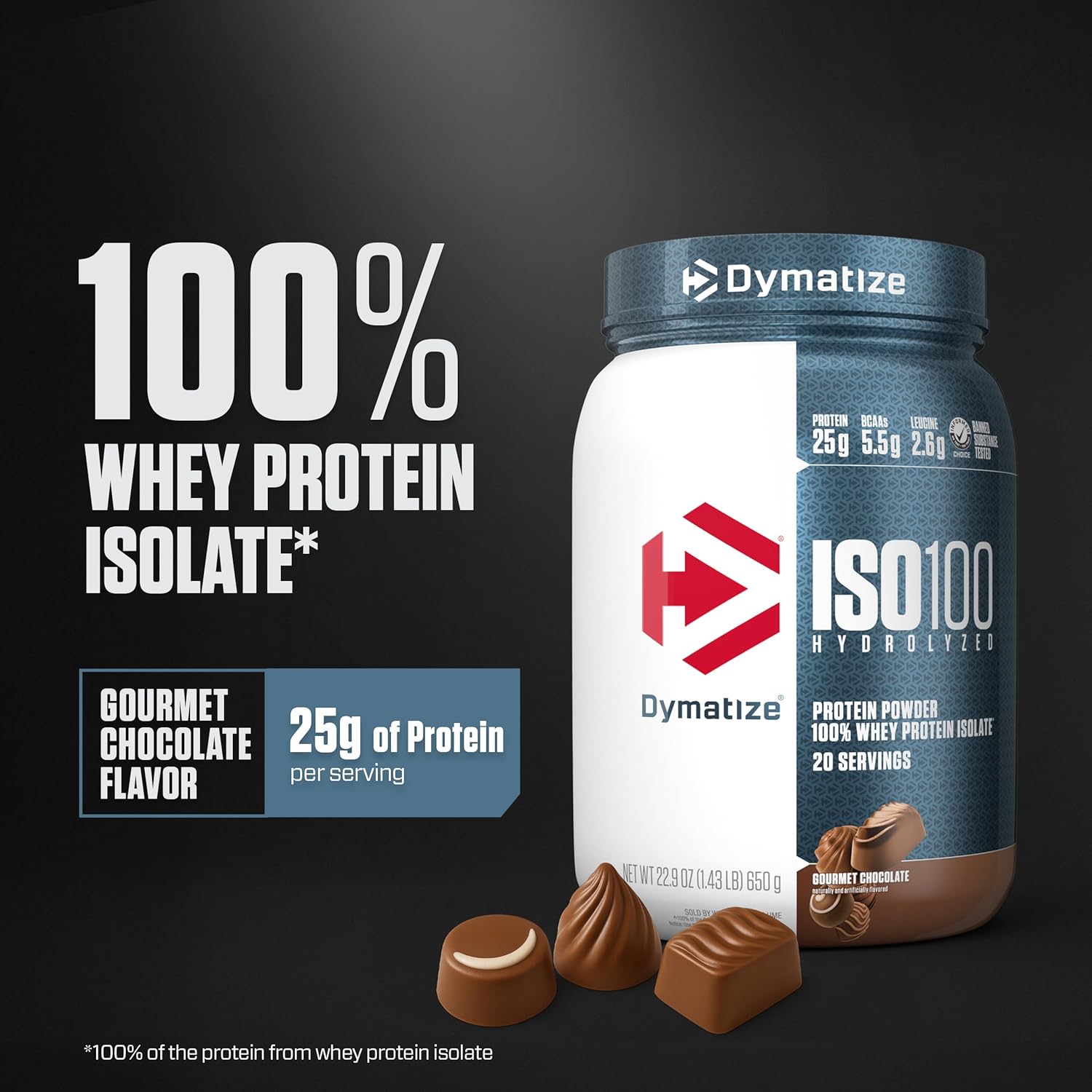
You’ve probably stood in the supplement aisle — or more likely scrolled a browser tab at midnight — staring at two protein powder options and wondering which one actually moves the needle for your smoothie goals. Protein powder is simply a concentrated, dried source of protein (the macronutrient your body uses to build and repair muscle, keep you full, and support nearly every metabolic process) that you blend into a liquid base to hit a daily intake target. “Macros” is shorthand for macronutrients — protein, carbohydrates, and fat — the three big levers you adjust when you’re dialing in a nutrition plan. This article breaks down the real-world difference between whey protein (derived from dairy) and plant-based protein (sourced from peas, rice, hemp, or blends of those), with actual numbers, blender-specific texture notes, and a decision framework you can apply to whatever performance target you’re chasing right now.
If you already know the basics and just want the tradeoff map, keep reading. The math is straightforward once you see it laid out.
The Core Macro Comparison: What the Numbers Actually Say
Let’s start with a side-by-side that reflects what’s on the market in mid-2026. These are representative figures from commonly cited mid-tier products — not cherry-picked extremes.
By the numbers (per standard 1-scoop / ~30–35g serving):
| Metric | Whey Isolate (typical) | Pea + Rice Blend (typical) |
|---|---|---|
| Protein | 25–27g | 20–25g |
| Carbohydrates | 1–3g | 3–6g |
| Fat | 0.5–2g | 2–4g |
| Calories | 110–130 kcal | 120–140 kcal |
| Leucine content | ~2.5g | ~1.6–1.9g |
| Digestibility (PDCAAS) | 1.0 (ceiling) | 0.6–0.9 (varies by blend) |
The digestibility score — PDCAAS, or Protein Digestibility-Corrected Amino Acid Score — is the metric that makes the whey-vs.-plant argument more nuanced than “animal protein wins.” A PDCAAS of 1.0 means the protein supplies all essential amino acids at or above human requirements and is highly digestible. Per a 2015 analysis published in the Journal of Nutrition by van Vliet, Burd, and van Loon (“The Skeletal Muscle Anabolic Response to Plant- versus Animal-Based Protein Consumption”), whole plant protein sources have lower leucine content and variable digestibility compared to whey, but blended plant proteins — pea and rice being the most studied combination — close a significant portion of that gap.
Leucine is the amino acid that most directly triggers muscle protein synthesis — the biological process of building new muscle tissue. Research reviewed in Nutrients (Stokes, Hector, Morton, McGlory, and Phillips, “Recent Perspectives Regarding the Role of Dietary Protein for the Promotion of Muscle Hypertrophy,” 2018) places roughly 2–3g of leucine per serving as the threshold most commonly associated with hypertrophy outcomes. Whey isolate clears that threshold reliably. Most single-source plant proteins don’t; blended plant proteins are closer but often require a slightly larger scoop to match.
The practical implication: if you’re running a calorie-controlled plan and every gram counts, whey isolate gives you more protein per calorie. If you’re dairy-free, managing gut sensitivity, or building a blend around whole-food plant ingredients, a quality pea-rice blend closes the gap acceptably — particularly if you’re getting leucine from other sources in the same smoothie (hemp seeds, edamame-based additions, and similar whole-food leucine contributors).
Texture, Blendability, and Blender-Specific Behavior
This is where the macro math intersects with your equipment reality — and it’s a consideration most protein comparison articles skip entirely.
Whey protein (especially isolate grades) dissolves cleanly in liquid and blends to a smooth, lightly creamy texture with minimal effort. Even a personal blender like the NutriBullet Pro handles whey isolate without issue — the powder hydrates quickly and the blade geometry doesn’t need to do heavy lifting. Whey concentrate (a step below isolate, with more lactose and fat) can foam slightly at high speeds, which matters if your recipe is already foam-prone from banana or frozen berries.
Plant proteins behave differently based on source:
- Pea protein has a fine, slightly gritty texture when under-blended. At personal blender power levels, you’ll notice it in thinner liquid bases. Step up to a mid-range machine like the Ninja Professional and you largely eliminate the issue with a longer blend cycle. At Vitamix A3500 or Blendtec Designer 725 speed, pea protein fully emulsifies — users consistently report a texture indistinguishable from whey in equivalent recipes.
- Rice protein is denser and can create a chalky mouthfeel at lower speeds. It performs substantially better in a higher-powered machine.
- Hemp protein is grainier still, and benefits from being blended with a fat source — avocado or nut butter — that masks the texture.
The blender decision rule for plant protein: If you’re committed to a plant-based protein and blending at least once daily, the texture gap alone makes a mid-range or premium blender a meaningful quality-of-life upgrade, not just a luxury. The cost-per-use math on a premium countertop blender spread over two to three years of daily use brings the per-blend cost low enough that the texture dividend from fully emulsified plant protein pays back in every cup you actually finish versus leaving half on the counter.
Whey vs. Plant: Performance Use Cases Compared
Here’s where we stop hedging and name the tradeoffs directly across three distinct use cases — budget-conscious everyday use, mid-tier performance smoothies, and premium optimization builds.
Muscle Protein Synthesis and Hypertrophy Targets
Whey isolate is the most direct path when acute muscle protein synthesis is the primary goal. The 2018 Nutrients review by Stokes et al. notes that leucine’s role in activating the mTOR pathway — the cellular signaling cascade that initiates muscle building — is well-established, and whey’s leucine density gives it a documented edge in acute muscle protein synthesis studies. For users in a high-volume training block optimizing for recovery window efficiency, whey isolate’s faster absorption rate is an additional argument in its favor.
For everyday, budget-conscious training where you’re meeting total daily protein targets across multiple meals rather than optimizing a specific post-workout window, a value-tier whey concentrate or a mid-priced pea-rice blend both serve the purpose adequately. The performance difference between whey and plant narrows substantially when the total daily protein target is consistently met across the full day’s intake.
Decision rule: Dairy-tolerant, calorie-controlled, hypertrophy-focused? Whey isolate at 25–27g per serving, ideally timed post-workout.
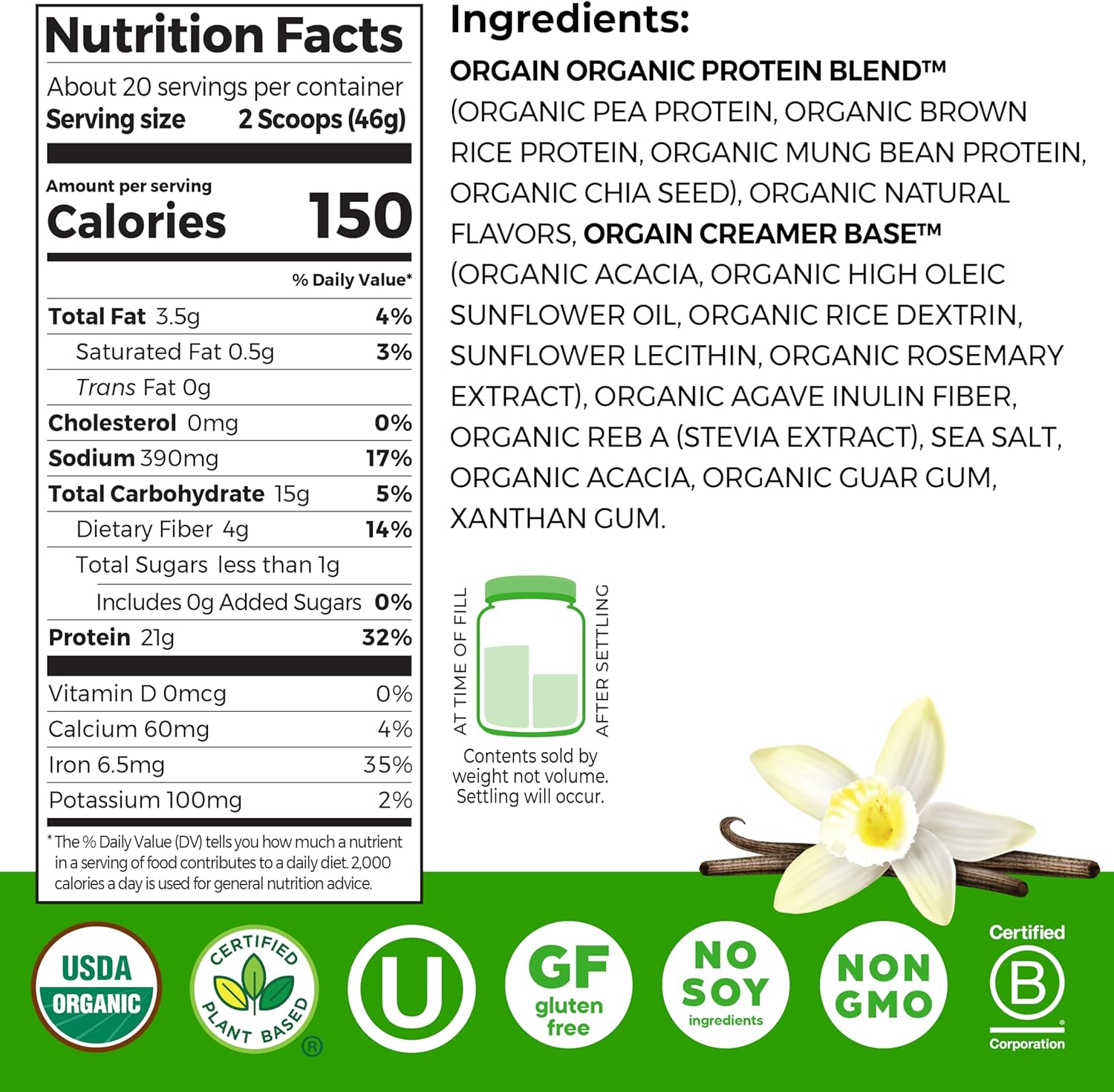
Orgain
$29.59
In stock on Amazon
Check price on AmazonMeal Replacement Smoothies and Sustained Satiety
The gap between whey and plant narrows considerably when the goal is a sustained, balanced meal-replacement smoothie rather than acute recovery. The Academy of Nutrition and Dietetics, in their 2016 position paper “Position of the Academy of Nutrition and Dietetics: Vegetarian Diets” (published in the Journal of the Academy of Nutrition and Dietetics), notes that well-planned plant-based protein combinations meet protein needs across all stages of life, including athletic performance.
A pea-rice blend at 22–25g protein, blended with a fat source such as two tablespoons of almond butter, slows digestion in a way that many users report as more satiating than a comparable whey shake. The additional 2–4g of fat present in most plant blends contributes to that effect. Laird Superfood’s plant protein line runs approximately 21g protein per serving with a notably lower ingredient count than most blended plant proteins — relevant if you’re stack-building with adaptogens or greens powders, since you want macro headroom before the balance shifts. Sunwarrior’s Warrior Blend (pea, hemp, and goji combination) delivers a more complete amino acid profile than single-source pea protein and is a frequently referenced option in plant-based sports nutrition conversations.
Decision rule: Meal replacement, sustained satiety, plant-based preference? Size the scoop to hit at least 22g protein and add a fat source to the recipe.

Optimum
$41.80
In stock on Amazon
Check price on AmazonPremium Optimization: Stack Compatibility and Commercial or High-Volume Use
At the premium tier — whether that means a high-performance daily stack or a boutique smoothie bar running 20–50 cups per day — consistency and compatibility matter as much as macro density. For commercial-scale operations, whey concentrate (not isolate) often wins on cost per gram of protein while still performing cleanly in commercial-adjacent equipment. Plant blends span a wider cost range, with premium branded options like Sunwarrior and comparable multi-source formulations running meaningfully higher per gram of protein.
For high-volume operations using commercial or Vitamix Ascent Series equipment in batch mode, the texture issue with plant proteins largely disappears at commercial power levels. The remaining consideration for whey concentrate at scale is foam: it can develop under extended high-speed cycles, affecting pour consistency and cup volume during a busy service window. Plant proteins, once fully emulsified at commercial power, hold texture more predictably across volume service. Stack compatibility is another advantage for plant proteins at this tier — they tend to be pH-neutral to mildly alkaline, which makes them blend smoothly with greens powders and adaptogen formulations. Some whey isolates interact oddly with high-acid fruit additions such as pineapple or citrus, occasionally causing slight curdling at lower blend speeds.
Decision rule: High-volume or commercial context? Whey concentrate for cost efficiency at volume; multi-source plant blend for dairy-free menu positioning — size the machine to eliminate texture as a variable before launch.
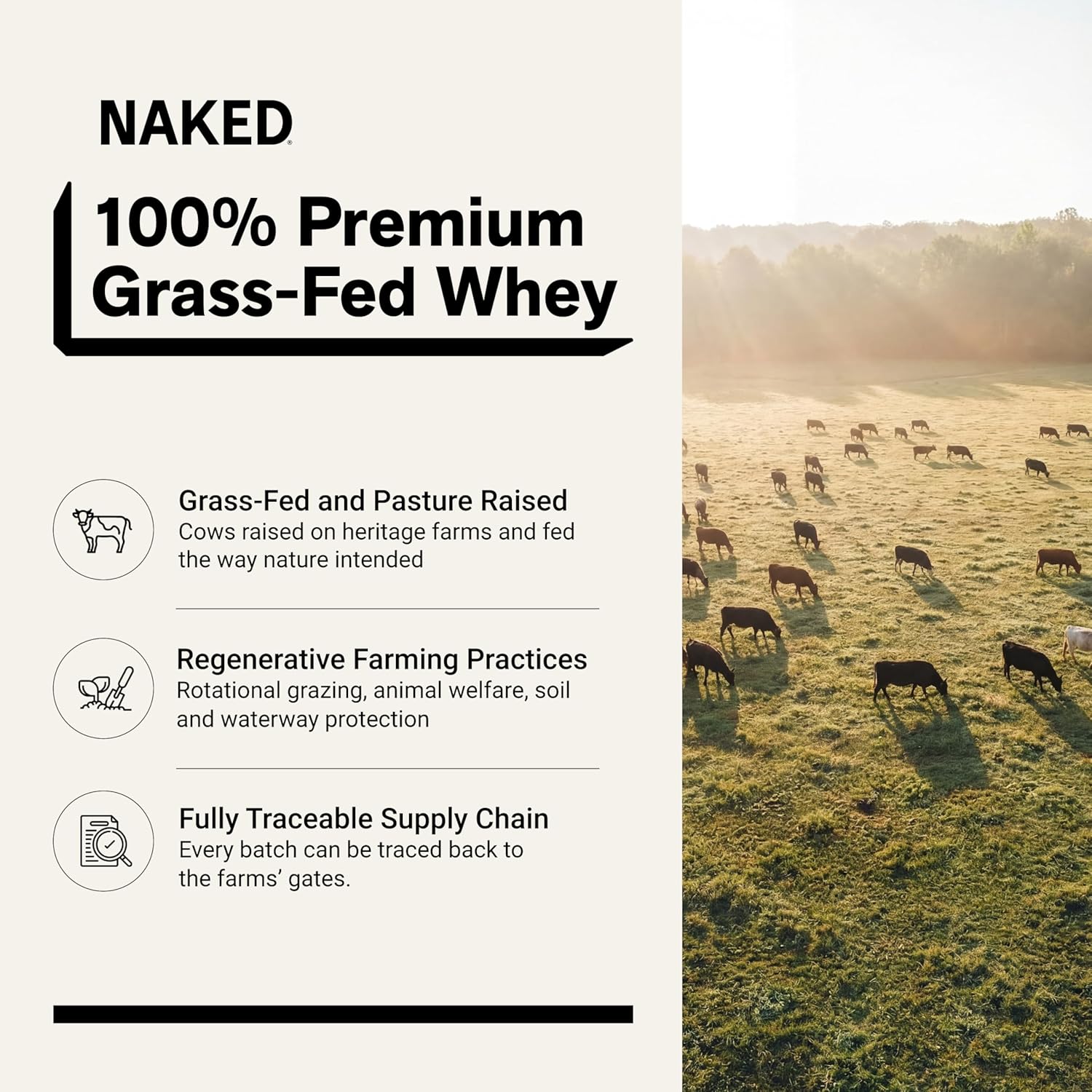
NAKED
$44.99
In stock on Amazon
Check price on AmazonDigestive Tolerance: The Variable Most Comparisons Underweight
A protein powder doesn’t exist in isolation — it’s one layer in a stack that probably includes frozen fruit, a liquid base, greens, and potentially functional powders. Digestive tolerance is a real and underweighted factor in the whey-vs.-plant decision.
Whey concentrate contains lactose and can cause bloating or GI distress in lactose-sensitive individuals. Whey isolate undergoes additional processing that substantially reduces lactose content, and many people who react to concentrate tolerate isolate without issue. If you’re noticing afternoon bloat after your smoothie and you’re using whey concentrate, an isolate upgrade or a switch to plant protein is worth a trial before attributing the problem to other stack ingredients.
Plant proteins are generally gentler on digestion, with the exception of high-fiber hemp in large quantities, which can cause its own GI effects in sensitive individuals.
For stack compatibility, plant proteins’ mildly alkaline character plays well with greens powders and adaptogen blends. Whey isolate can occasionally interact with high-acid fruit additions — pineapple and citrus being the most common culprits — producing a slightly curdled texture at personal blender speeds. At mid-range and premium blender power levels, this is rarely a practical issue, but it’s worth knowing before you troubleshoot a recipe that seems fine on paper.
The Bottom Line
The whey-vs.-plant decision isn’t ideology — it’s math plus context. Whey isolate wins on protein density per calorie and leucine delivery for acute muscle protein synthesis, as documented in peer-reviewed research including van Vliet et al. (2015, Journal of Nutrition) and Stokes et al. (2018, Nutrients). Plant blends win on tolerance, flexibility, and stack compatibility, and they close the performance gap meaningfully when you’re running a quality multi-source blend and a blender powerful enough to fully emulsify it.
Run the decision through your actual constraints: dairy tolerance, calorie budget per serving, blender tier, and whether you’re optimizing for acute recovery or sustained satiety. If you’re on a personal blender and committed to plant protein, the equipment upgrade may deliver more quality improvement than switching protein sources. If you’re already on a mid-range or premium machine and dairy-tolerant, whey isolate at 25–27g per serving is the path of least resistance to hitting muscle protein synthesis targets consistently. Everything else is optimization at the margins.